
Mollejas de res are called beef sweetbreads in English. They are edible glands from cattle, most often the thymus and sometimes the pancreas, and they are not bread, sweet or muscle meat.
When soaked, blanched and cooked well, mollejas have a mild, rich flavour, a crisp golden outside and a soft, buttery centre. This guide explains how to buy, clean and cook them, with a pan seared recipe, grilling notes, taco ideas, storage advice and answers to common questions.
What Are Mollejas de Res?
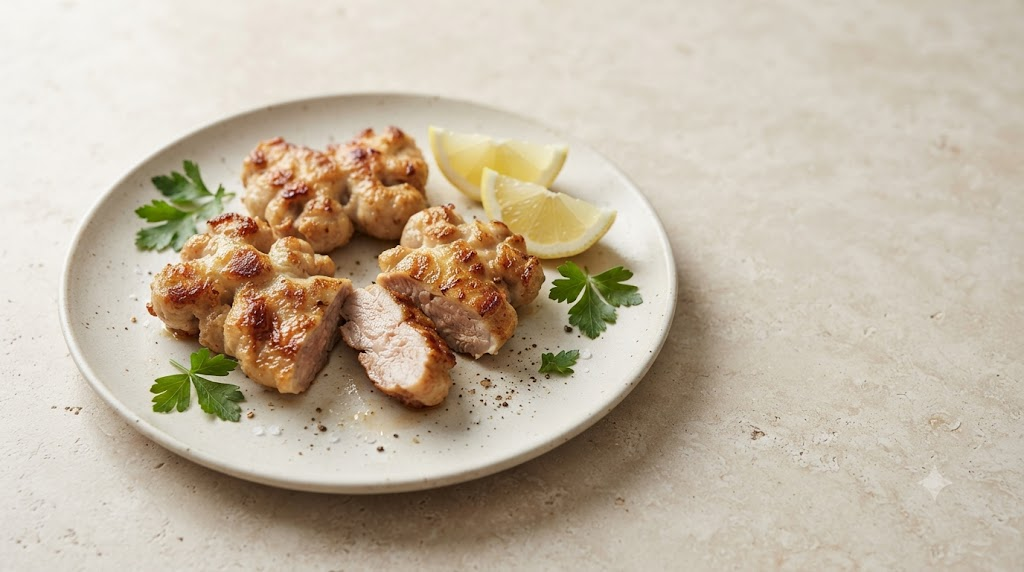
Mollejas de res are beef sweetbreads. They are organ meat, also called offal or variety meat, and they come from the thymus gland or the pancreas of a calf or cow. They are very popular in Mexican and Argentine cooking, where they are served from the grill at asados and in street style tacos.
The flavour is milder than liver or kidney. Properly prepared mollejas taste savoury, slightly earthy and buttery, and the texture is creamy inside with a crisp crust outside. They are high in fat, cholesterol and purines, so people with gout or high cholesterol should keep portions small and check with their doctor.
Mollejas de Res in English: Meaning and Translation
What Does Mollejas de Res Mean in English?
The usual culinary translation of mollejas de res is beef sweetbreads. If you search for mollejas de res en ingles, you will see “beef sweetbreads” or simply “sweetbreads.” The word “res” means beef or cattle, so mollejas de res separates them from sweetbreads of veal, lamb or pork.
How Do You Spell Mollejas de Res?
The standard Spanish spelling is mollejas de res, with a double L. The double L is pronounced like a Y in most Spanish speaking regions, which is why people often type it as “moyejas de res.” That is a common spelling mistake based on sound, so use mollejas when shopping or looking for recipes.
Are Mollejas the Same as Brains or Testicles?
No. Mollejas are glands. Brains are called sesos in Spanish and have a much softer, custard like texture. Testicles are called criadillas. Butchers sell all three as variety meats, but they are different cuts with different flavours and cooking methods.
What Do Beef Sweetbreads Taste Like?
Beef sweetbreads taste mild, savoury and buttery, with a faint richness from their fat. Liver and kidney have a strong, mineral tang. Sweetbreads do not, and they easily take on lime, garlic, smoke and herbs.
The contrast in texture is the main attraction. A well seared molleja has a deeply golden, crisp surface and a tender, moist and creamy interior. If your mollejas taste strong or have a rubbery bite, the cause is usually old stock or skipped soaking, blanching and membrane removal. Preparation decides the result more than any seasoning does.
Types of Mollejas de Res
Sellers use different names, and the same piece may be labelled differently from one shop to another. This table gives a general guide.
| Type | Spanish name | Description | Best use |
|---|---|---|---|
| Throat or neck | Molleja de cuello or de garganta | Thymus near the neck. Softer and fattier, often with a visible fat line | Frying, tacos, grilling |
| Heart | Molleja de corazón | Thymus near the heart. Rounder, denser and leaner | Searing, grilling |
| Pancreas | Molleja de páncreas | Pancreas gland. Firmer and more structured | Pan frying, braising |
Throat or Neck Sweetbreads
These are softer and fattier, which makes them forgiving for beginners. They become very tender and crisp well when fried, grilled or chopped for tacos.
Heart Sweetbreads
Heart sweetbreads are rounder and denser. They hold their shape well, so they suit searing as thick pieces and grilling.
Thymus vs. Pancreas Sweetbreads
The thymus gives the softer, creamier mollejas used in most recipes. Pancreas sweetbreads are firmer and hold up better in longer cooking such as braising. If you are unsure which you have, ask the butcher. The cleaning and cooking steps in this guide work for either.
Where to Buy Mollejas de Res
Standard supermarkets rarely stock mollejas, so plan ahead. Good places to look include:
- Local independent butchers and carnicerías.
- Latin American meat markets, where they are common for weekend grilling.
- Specialty meat shops, online meat suppliers and some larger supermarkets, often in the frozen section.
Fresh mollejas should be pale pink to creamy white, plump, firm and moist but not slimy. They should smell clean and neutral. Avoid pieces that look grey, feel soft or smell sour or like ammonia.
Mollejas shrink as they cook. Buy about 250 to 300 g (9 to 11 oz) raw per person for a main course, or 150 to 200 g (5 to 7 oz) per person for tacos or starters. Cook fresh mollejas within 1 to 2 days of buying, or freeze them straight away.
Read More : North Italia Spicy Rigatoni Vodka Recipe : Everything You Need to Know 2026
How to Clean and Prepare Mollejas de Res?
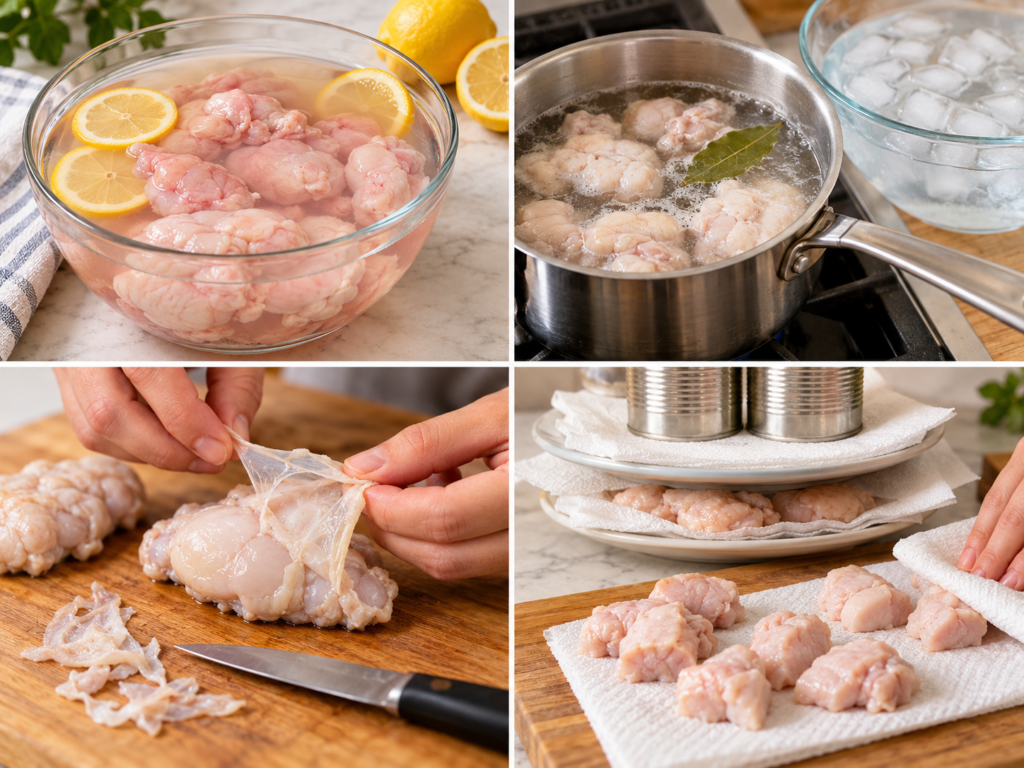
Cleaning is the most important stage. Raw sweetbreads have blood, connective tissue and a tough outer membrane that turns rubbery or bitter if cooked directly. Soaking, blanching and peeling remove these, and drying the surface lets the meat brown properly.
Step 1: Soak the Sweetbreads
Put the mollejas in a bowl and cover them with cold water. Add 1 tablespoon of white vinegar or lemon juice for every 1 litre (4 cups) of water. Refrigerate for 2 to 4 hours, changing the water once if you can. A short soak of 30 to 60 minutes works if you are in a hurry, and some cooks soak overnight in the fridge. The water will turn pink as blood is drawn out.
Step 2: Blanch the Mollejas
Drain and rinse the mollejas, then place them in a saucepan with fresh cold water, a pinch of salt and a bay leaf. Heat gently until the water barely simmers. Do not let it boil hard, which can toughen them. Simmer for 5 to 8 minutes until they turn opaque and slightly firm, and foam rises to the surface. Lift them out with a slotted spoon into a bowl of ice water to stop the cooking.
Step 3: Remove the Membrane and Tough Parts
Once cool enough to handle, peel off the thin outer membrane with your fingers or a small paring knife. Trim any gristle, tubes and hard fat. Work gently, because the flesh underneath is delicate. Some soft fat can stay for flavour.
Step 4: Press and Dry Before Cooking
Pressing is optional but gives a more even shape and a crisper sear. Place the cleaned mollejas between two plates lined with paper towels, add a light weight such as a few tins, and refrigerate for 1 to 2 hours. Before cooking, break or slice them into bite sized pieces and pat them very dry. Wet surfaces steam instead of browning.
Easy Mollejas de Res Recipe
This pan seared recipe is the most reliable method for beginners. It gives you control over the heat and a crisp crust in about 10 minutes of cooking. It follows common methods and has not been lab tested, so adjust the heat and time to your pan and the size of your pieces.
| Detail | Information |
|---|---|
| Prep time | 30 minutes, plus 2 hours soaking and optional 1 hour pressing |
| Cook time | 10 minutes |
| Total time | About 2 hours 40 minutes without pressing |
| Servings | 2 as a main course or 4 as a starter |
| Difficulty | Moderate |
| Cooking method | Stovetop |
Ingredients for Pan Seared Beef Sweetbreads
- 600 g (1 1/3 lb) raw beef sweetbreads, soaked, blanched, peeled and dried as above.
- 1/2 teaspoon salt, plus more to taste.
- 1/2 teaspoon freshly cracked black pepper.
- 2 cloves garlic, finely minced.
- 1/2 teaspoon paprika.
- 1/4 teaspoon ground cumin. Optional.
- 2 tablespoons olive oil, or 1 tablespoon oil and 1 tablespoon butter.
- Juice of 1 lime or lemon.
- 2 tablespoons chopped parsley or cilantro.
Butter browns faster than oil and adds a rich, buttery flavor to the dish. Mixing the two helps prevent the butter from burning too quickly, allowing you to cook at a slightly higher temperature while keeping the food tasty.
Read More : Zucca Chips North Italia Recipe : What You Need to Know
Step 1: Season the Cleaned Sweetbreads
Cut the dried mollejas into pieces about 3 to 4 cm (1 1/4 to 1 1/2 inches) wide. Toss them with the salt, pepper, garlic, paprika and cumin. Let them rest for 10 minutes. Keep them as dry as possible, and skip any flour dusting if you want the traditional plain crust.
Step 2: Heat the Oil in a Skillet
Heat the oil in a large heavy skillet or cast iron pan over medium heat. It should shimmer but not smoke. If you are using butter, add it once the oil is hot.
Step 3: Sear Until Golden and Crispy
Add the mollejas in a single layer with space between pieces. Cook in batches if needed, because crowding traps steam. Leave them undisturbed for 4 to 5 minutes until the underside is deeply golden, then turn and cook another 4 to 5 minutes. The crust should be crisp and the centre soft. A probe thermometer in the thickest piece should read at least 71°C (160°F), a cautious target for organ meat.
Step 4: Finish With Citrus and Fresh Herbs
Turn off the heat. Squeeze the lime or lemon juice over the mollejas and toss gently once. Scatter the parsley or cilantro on top.
Step 5: Serve Immediately
Serve hot, straight from the pan. The crust softens within minutes as the mollejas sit.
How to Grill Mollejas de Res?
Grilling is the classic Argentine asado method and is also popular in northern Mexico. The smoke and char suit the rich meat well. Use this as a second method, with the same soaking and cleaning steps for blanched mollejas.
For blanched and peeled mollejas, brush them with oil and season with coarse salt. Grill over steady medium high heat for about 4 to 6 minutes per side until deeply golden with light char but a tender centre. Turn only once or twice so a crust can form.
The traditional asado approach grills larger raw lobes whole over moderate coals, often for an hour or more. This gives a rich result but needs patience and steady heat, because high flames burn the outside before the inside cooks. Times vary a lot with the size of the piece and the fire, so check doneness with a thermometer and keep the heat gentle.
To keep the centre moist, avoid cooking past a deep golden colour. Serve with lemon wedges and chimichurri.
How to Make Mollejas de Res Tacos?
Mollejas tacos are one of the easiest ways to serve them, and the lime and salsa balance the richness. Cook the mollejas using the pan recipe above, then chop the hot pieces into small bite sized chunks.
Warm 8 to 12 corn tortillas on a dry comal or skillet. Fill each with the chopped mollejas and top with finely chopped white onion, cilantro, salsa and a squeeze of lime. Serve straight away so the crisp edges hold.
Best Seasonings and Sauces for Beef Sweetbreads
Mollejas have a delicate richness, so seasonings should support them without covering the flavour. These pairings work well:
- Citrus: lime and lemon.
- Herbs: parsley, cilantro and oregano.
- Seasonings: garlic, black pepper, cumin and paprika.
- Sauces: chimichurri, salsa verde and garlic butter.
For an Argentine style plate, keep it simple with coarse salt, lemon and chimichurri. For tacos, use lime, cilantro, onion and salsa.
What to Serve With Mollejas de Res
Mollejas are rich, so fresh and acidic sides balance them. Good options include:
- Warm corn tortillas.
- Grilled onions and peppers.
- Mexican rice and beans.
- Roasted potatoes or grilled vegetables.
- A fresh tomato salad or chimichurri.
Common Mistakes When Cooking Mollejas de Res
Most problems come from preparation. This list shows what goes wrong and what to do instead.
- Skipping the soak. The flavour can turn stronger and less pleasant. Soak for at least 30 to 60 minutes.
- Leaving the membrane on. It turns chewy and rubbery. Peel it off after blanching.
- Cooking them wet. Moisture causes steaming and a pale surface. Pat them thoroughly dry.
- Overcrowding the skillet. Pieces steam instead of browning. Cook in batches.
- Using excessive heat. The outside burns before the inside warms through. Keep to medium heat.
- Overcooking. The creamy centre turns dry and tough. Stop once the crust is golden and the centre is cooked through.
How to Store and Reheat Mollejas de Res?
How to Store Raw Sweetbreads
Raw sweetbreads are very perishable. Keep them refrigerated at 4°C (40°F) or below and cook them within 1 to 2 days. If you cannot cook them in that time, freeze them in an airtight, vacuum sealed or tightly wrapped bag, and thaw them in the refrigerator before soaking.
How to Store Cooked Sweetbreads
Cool cooked mollejas quickly and refrigerate them in an airtight container within 2 hours. For the best texture, eat them within 2 days. They are safe for up to 3 to 4 days if kept cold, but the crust and creamy centre decline over time.
How to Reheat Mollejas Without Losing Their Crispness
Reheat them in a skillet over medium low heat for a few minutes, turning once, until steaming hot throughout and at least 74°C (165°F). A skillet restores some crispness, while a microwave softens the crust and makes them rubbery.
Frequently Asked Questions
What Is Mollejas de Res in English?
Mollejas de res in English means beef sweetbreads. They are glands from cattle, most commonly the thymus or pancreas.
Is Mollejas de Res the Same as Beef Sweetbreads?
Yes. Mollejas de res and beef sweetbreads are the same thing. Some sellers use mollejas for sweetbreads from other animals too, so check the label.
Are Mollejas de Res the Same as Beef Brains?
No. Brains are sesos, a different cut with a softer, custard like texture. Mollejas are the thymus or pancreas.
Do Beef Sweetbreads Taste Like Liver?
No. Sweetbreads are much milder and buttery. Liver has a stronger, mineral flavour.
Can You Cook Mollejas Without Blanching Them?
Yes, but it takes longer. Argentine style grilling often cooks large raw lobes whole, slowly and over steady heat. Pan frying works best with blanched and peeled mollejas, because blanching makes the membrane easy to remove and gives an even texture.
What Is the Best Way to Cook Mollejas for Beginners?
Pan searing is the most reliable. After soaking, blanching, peeling and drying, the mollejas cook in about 10 minutes and you can watch the crust develop.
Can You Freeze Mollejas de Res?
Raw mollejas can be frozen if needed, though fresh gives the best texture. Cooked mollejas do not freeze well, because the crisp crust turns soggy and the centre can become grainy.
Final Thoughts
Mollejas de res, also known as beef sweetbreads, can be delicious when prepared the right way. The key is to take your time with each step. Soak, blanch, clean, and dry the sweetbreads before cooking them over steady heat.
Pan searing is a great option for beginners because it helps create a golden, crispy outside while keeping the inside tender. Grilling is another good choice if you want to enjoy the traditional Argentine-style asado.
Whichever cooking method you choose, finish the mollejas with fresh lime or lemon juice to add a bright, fresh flavor. Serve them hot for the best taste and texture. If you enjoy discovering restaurant dishes and food ideas, visit Gourmet City Seafood Buffet for more inspiration. Try this recipe at home and enjoy a new way to prepare beef sweetbreads.